Battery Swapping for Electric Vehicles: A Game-Changer in Clean Mobility
- Home
- |
- Battery Swapping for Electric Vehicles: A Game-Changer in Clean Mobility
Battery Swapping for Electric Vehicles: A Game-Changer in Clean Mobility
Battery swapping is transforming electric mobility by making EV charging faster, cheaper, and more convenient. Instead of waiting hours for charging, drivers can replace a drained battery with a fully charged one in minutes. This article explores how swapping works, its benefits, challenges, and future role in sustainable transportation.
The electric vehicle (EV) industry is growing at a pace that was unimaginable just a decade ago. From small scooters to luxury cars, more people are shifting towards electric mobility to reduce fuel costs and cut down on carbon emissions. Yet, despite the excitement, one major hurdle continues to worry both buyers and manufacturers, charging time. While filling a petrol or diesel tank takes only a few minutes, charging an EV can take anywhere from 30 minutes to several hours, depending on the charger type.
At this point, battery swapping emerges as an innovative approach to overcome the limitations of conventional charging. Instead of waiting for the battery to recharge, drivers can simply exchange their drained battery with a fully charged one at a dedicated station. The process takes only a few minutes, making it almost as quick as refueling a traditional car.
How Does Battery Swapping Work?
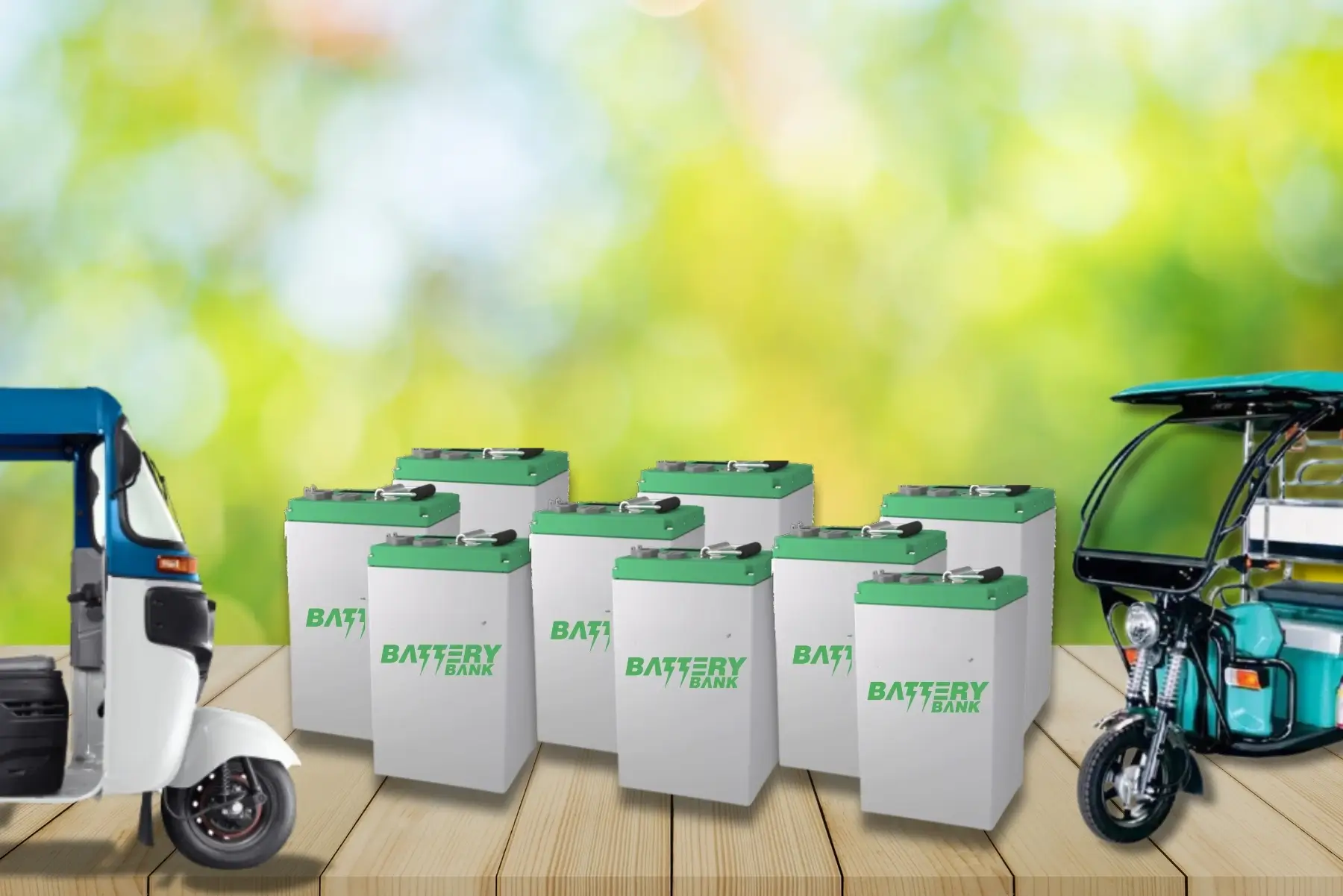
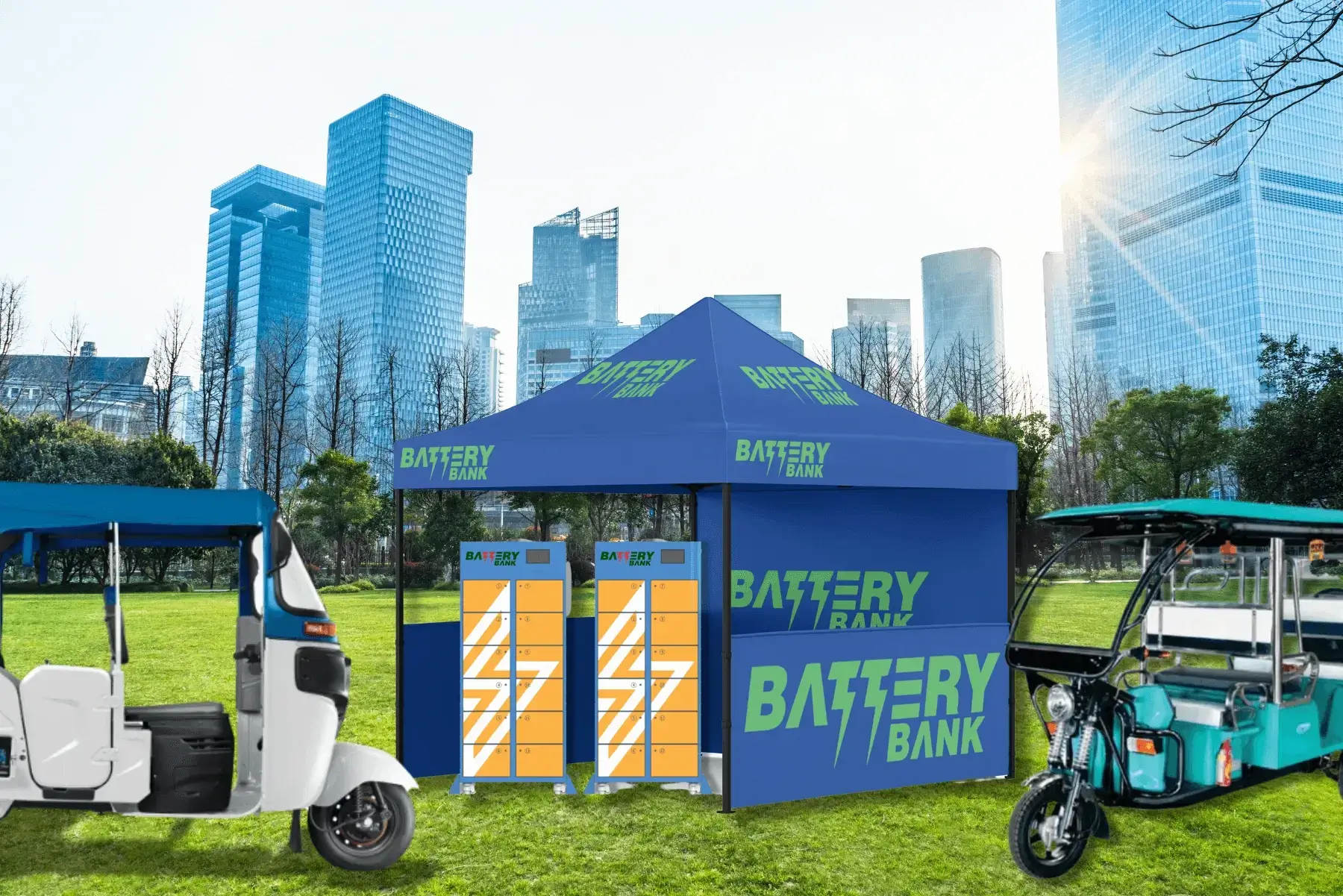
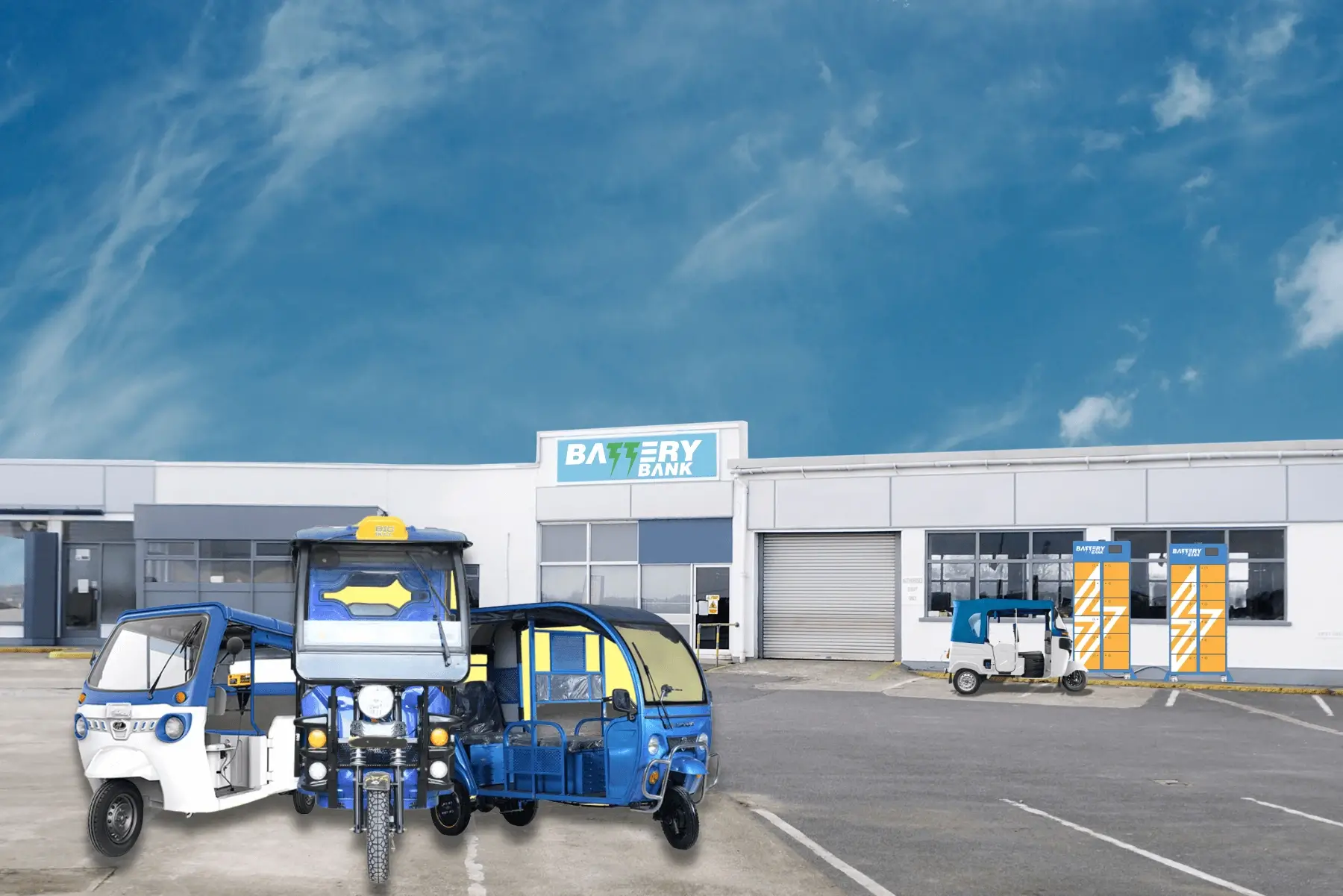
The idea is simple but highly effective. An EV arrives at a battery swapping station, where an automated system or technician removes the discharged battery and replaces it with a fully charged one. The used battery is then placed in storage for recharging, ready for the next customer.
This model is often paired with a Battery-as-a-Service (BaaS) subscription. ather than owning the battery, users can opt for a subscription plan that takes care of usage, upkeep, and quick exchanges. This not only lowers the upfront cost of the EV but also ensures users always have access to a healthy, well-maintained battery.
Benefits of Battery Swapping
Ultra-Fast Turnaround
The most obvious benefit is time. While even fast chargers can require 30–60 minutes for a significant charge, a battery swap can be done in 2–5 minutes. This makes EVs more convenient for busy city commuters, taxi services, and delivery fleets.
Lower Vehicle Cost
Batteries are the most expensive part of an EV, often accounting for 30 - 40% of the total price. By separating the battery from the vehicle purchase, manufacturers can sell EVs at a lower price point. Customers then only pay for battery usage through a subscription model.
Battery Health and Longevity
Many EV owners worry about battery degradation over time. With swapping, the responsibility of maintaining and charging batteries falls on the service provider. Batteries can be charged in controlled conditions, extending their lifespan and improving overall safety.
Scalability in Urban Areas
For densely populated cities with limited charging space, swapping stations can be more practical than installing thousands of charging points. This is especially beneficial for two-wheelers and three-wheelers, which make up a large portion of EV adoption in developing countries.
Reduced Range Anxiety
One of the biggest concerns for EV users is running out of charge in the middle of a journey. Swapping stations provide peace of mind, ensuring that energy is always available when needed.
Challenges on the Road Ahead
While battery swapping sounds like the perfect solution, it is not without its challenges.
Standardization: Different car makers design batteries in unique shapes and sizes, making universal swapping difficult. Unless there is an industry-wide agreement on battery formats, large-scale adoption may face hurdles.
Heavy Upfront Costs: Establishing and running swap stations demands major investment, including land, sophisticated machinery, and a large pool of spare batteries to keep operations smooth.
Battery Ownership Concerns: Some consumers prefer owning their battery rather than depending on a shared pool. There is also a fear of receiving an older or less efficient battery during swaps.
Technology Adoption: Automakers need to redesign vehicles to make batteries easily removable and swappable, which requires additional engineering.
Global Adoption of Battery Swapping
The concept of swapping has already seen significant success in certain regions.
China is the global leader, with companies like NIO building thousands of swapping stations across major cities. Drivers can replace their battery in less than 5 minutes, and the company is expanding its network rapidly.
India has also embraced the idea, particularly for two- and three-wheelers used by delivery companies and ride-sharing services. The government has introduced a Battery Swapping Policy to encourage private players to build infrastructure and standardize battery designs.
In Europe and North America, swapping is still in its early stages. Most countries currently focus more on fast-charging networks, but pilot projects are underway to test the feasibility of large-scale swapping stations.
Who Benefits the Most?
Battery swapping is especially attractive for:
Commercial Fleets: Delivery vans, taxis, and buses cannot afford long charging downtimes. Swapping ensures vehicles stay on the road longer, increasing productivity.
Urban Commuters: In crowded cities where home charging is not always possible, swapping provides a quick and reliable alternative.
Emerging Markets: Countries with unstable power supply or limited fast-charging infrastructure can benefit greatly from centralized battery management at swapping hubs.
The Future of Battery Swapping
Looking ahead, battery swapping will likely coexist with traditional charging solutions rather than replace them entirely. For private car owners who have access to home charging, plug-in charging may still be the preferred option. However, for commercial fleets, ride-hailing operators, and busy city commuters, swapping could become the default choice.
As technology evolves, we may also see smart swapping stations that not only exchange batteries but also integrate with renewable energy sources, allowing green power to charge the batteries during off-peak hours. With better standardization, AI-powered monitoring, and government support, battery swapping could transform the EV ecosystem into something more practical, affordable, and sustainable.
The bottom line
Battery swapping is more than just a convenience, it has the potential to reshape the way we think about owning and using electric vehicles. By addressing the issues of charging time, cost, and battery maintenance, it paves the way for faster EV adoption worldwide. While challenges remain, the concept offers a clear path toward a future where clean mobility is not just an option, but the norm.